
There is a particular stillness that settles over South Africa in winter. The mornings bite, the evenings close in early, and the kitchen, or the fire outside, becomes the heart of the home. It is the season that asks something different of the cook: not speed, not novelty, but patience. And patience, when it comes to beef, is almost always rewarded.
Understanding which cuts are built for the long, slow cook is the first step toward a winter meal worth remembering. The right cut, treated with care and given the time it deserves, does not simply feed a family. It gathers one.
Why Slower Is Better: The Science Behind the Perfect Winter Stew
When we speak of slow cooking beef, we are speaking of a specific category of cut: the ones that come from the hardest-working muscles of the animal. The shoulder, the shin, the chest, the tail. These are not cuts that yield easily. They carry the weight of the animal’s life in their fibres, dense with connective tissue and collagen, built for endurance.
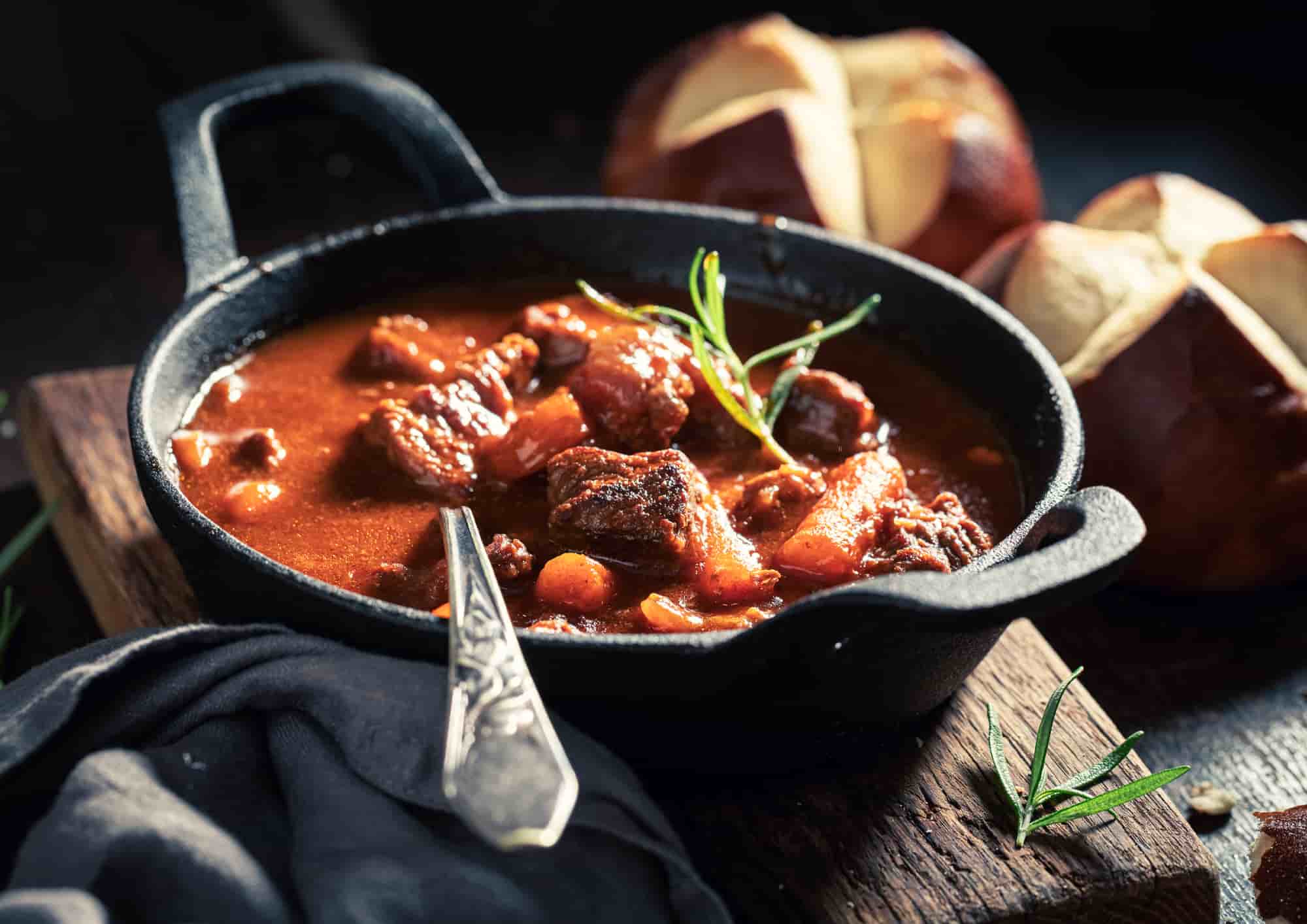
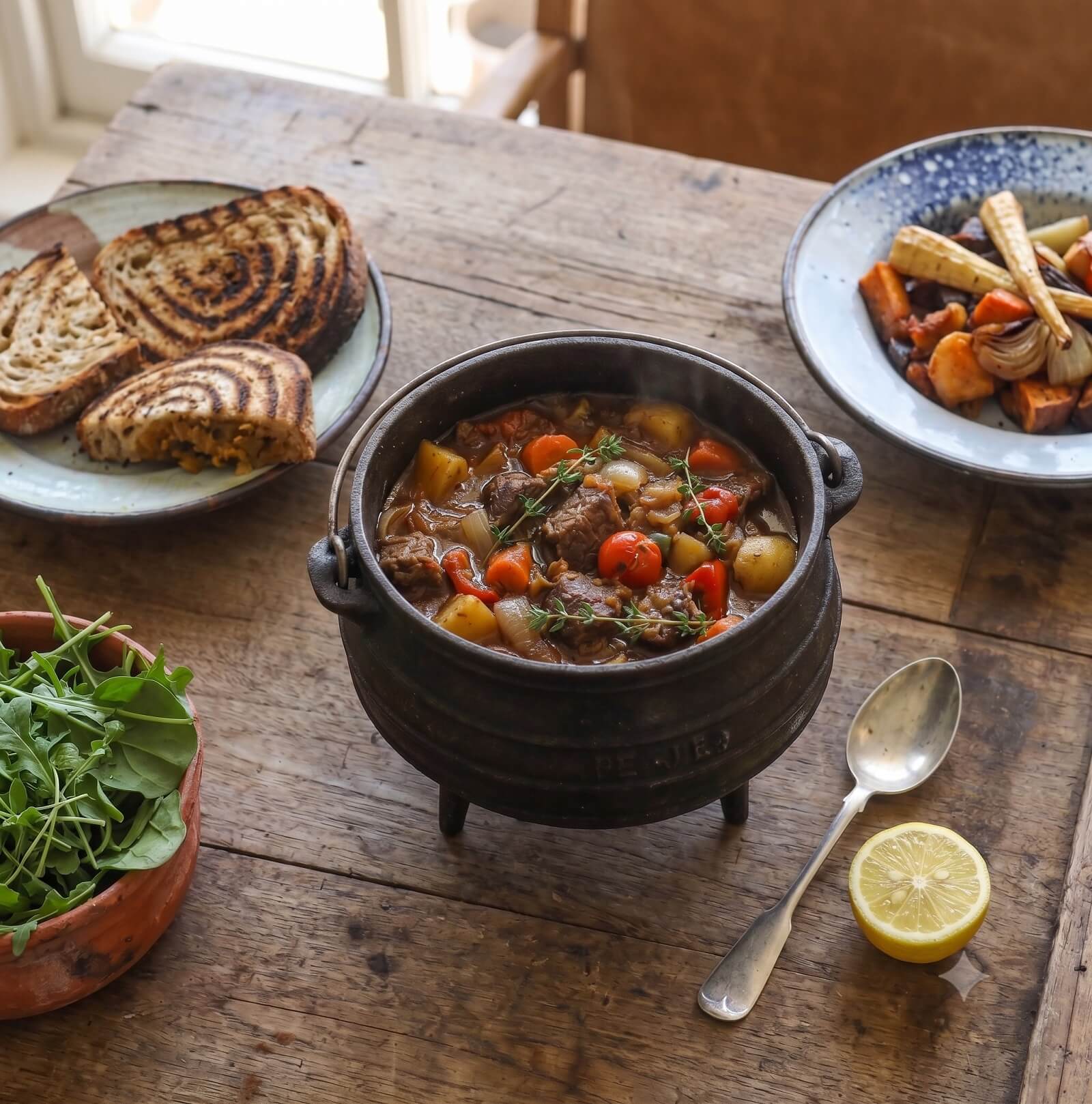
Treat them to high heat and they resist. Give them low heat and time, a gentle simmer in a good stock, a patient coals-fed potjie, and something fundamental changes. That collagen breaks down slowly into gelatin. The fibres soften. The muscle surrenders. What began as a tough cut becomes fork-tender, deeply flavoured, and coated in a sauce of extraordinary richness.
This transformation cannot be rushed. It cannot be replicated in a quick pan-fry. It is the result of time, low heat, and cuts that were built, quite literally, to withstand and ultimately reward exactly this kind of cooking.
The Best Beef Cuts for Slow Cooking: A Cut-by-Cut Guide
Not all stewing beef performs the same. The cut you choose shapes the character of the dish, whether that is a pull-apart braise, a structured stew, or the layered depth of a true South African potjie. Here is what each cut brings to the pot.
Beef Chuck & Brisket – The Stewing Staples
Chuck is the all-rounder of slow cooking beef. Sourced from the shoulder, it is well-marbled, forgiving, and deeply beefy in flavour, the kind of cut that holds its shape through the early hours of the pot before yielding completely. It is the backbone of many of the best beef stews South Africa has produced, and for good reason.
Brisket occupies a different space. Its long, parallel muscle fibres mean it holds its shape beautifully through a long braise, producing distinct, tender chunks rather than shredded meat. If the texture of the final dish matters to you, brisket is worth considering.
Chuck vs Brisket for Slow Cooking – Which Should You Choose?
Chuck breaks down into pull-apart, spoonable tenderness, ideal when you want the meat to melt into the sauce. Brisket retains more structure and is better for dishes where you want to slice or serve the meat in recognisable pieces. For a traditional South African beef stew, chuck is the more forgiving choice. For a more structured braise, brisket earns its place.
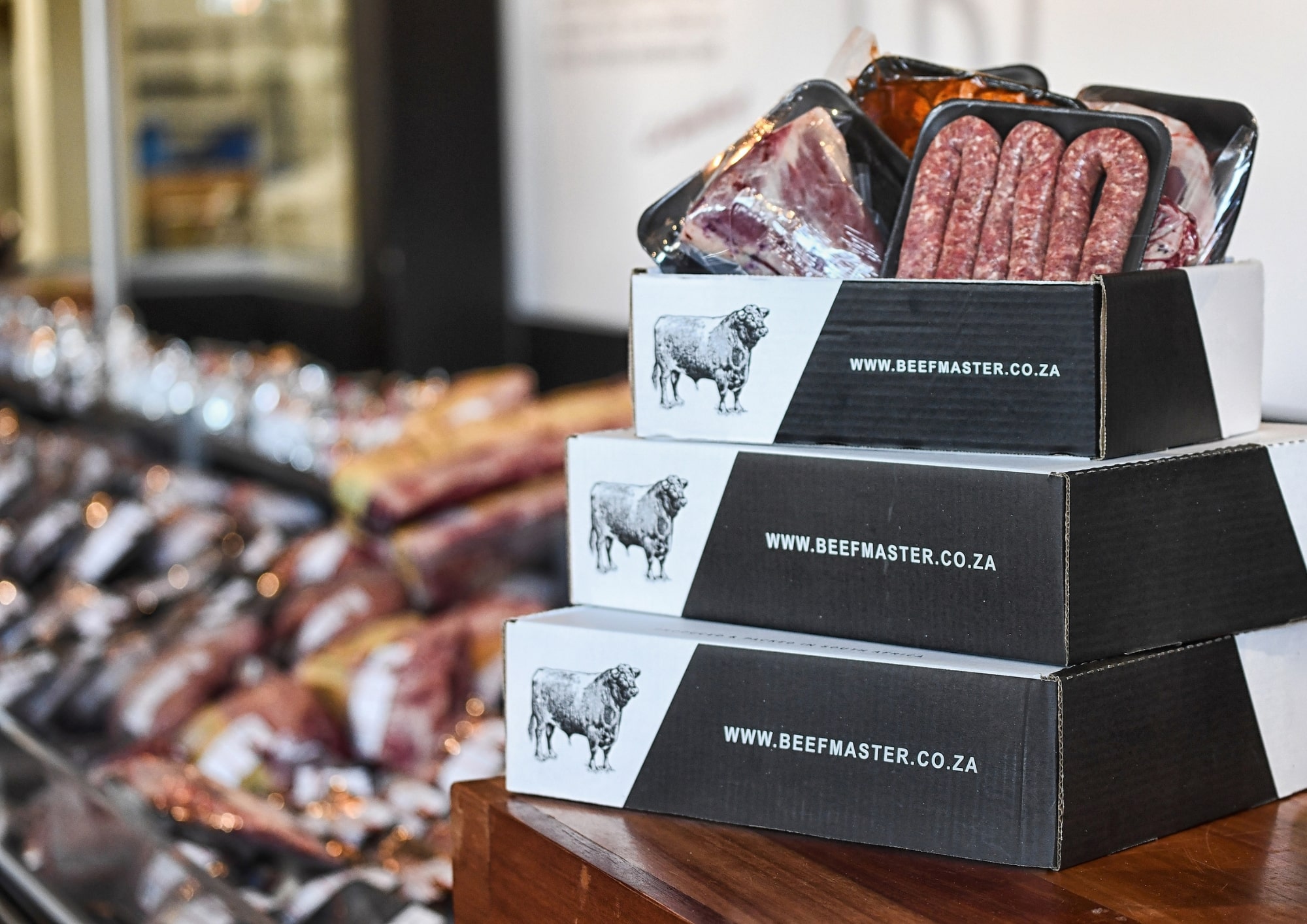
- Get cooking: Stock up on the iBeef 1kg Stew Pack, a pre-cubed, ready-to-braise option suited to both mid-week dinners and slow weekend cooking.
Bone-In Short Ribs – The Flavour Powerhouse
If there is one cut that does more work than its reputation suggests, it is the bone-in short rib. As it simmers, the marrow and natural fats within the bone release slowly into the cooking liquid, naturally thickening the broth and contributing an umami depth that boneless cuts cannot replicate. The result is a sauce that needs no shortcuts. The bone does the work.
Short ribs bring a robustness and richness to winter soups and braises that make them indispensable in any serious slow-cooking kitchen.
- Get cooking: Try iBeef Short Ribs in your next slow braise, or use them in the iBeef French Onion Short Rib Soup recipe.
Beef Shin & Oxtail: The Best Meat for Potjie
Nothing speaks to a South African winter quite like a potjie built on the cuts that demand time and earn it back a hundredfold. Oxtail is comfort food in the truest sense, its buttery texture and the extraordinary, sticky richness it produces as it cooks are unlike anything a boneless cut can offer.
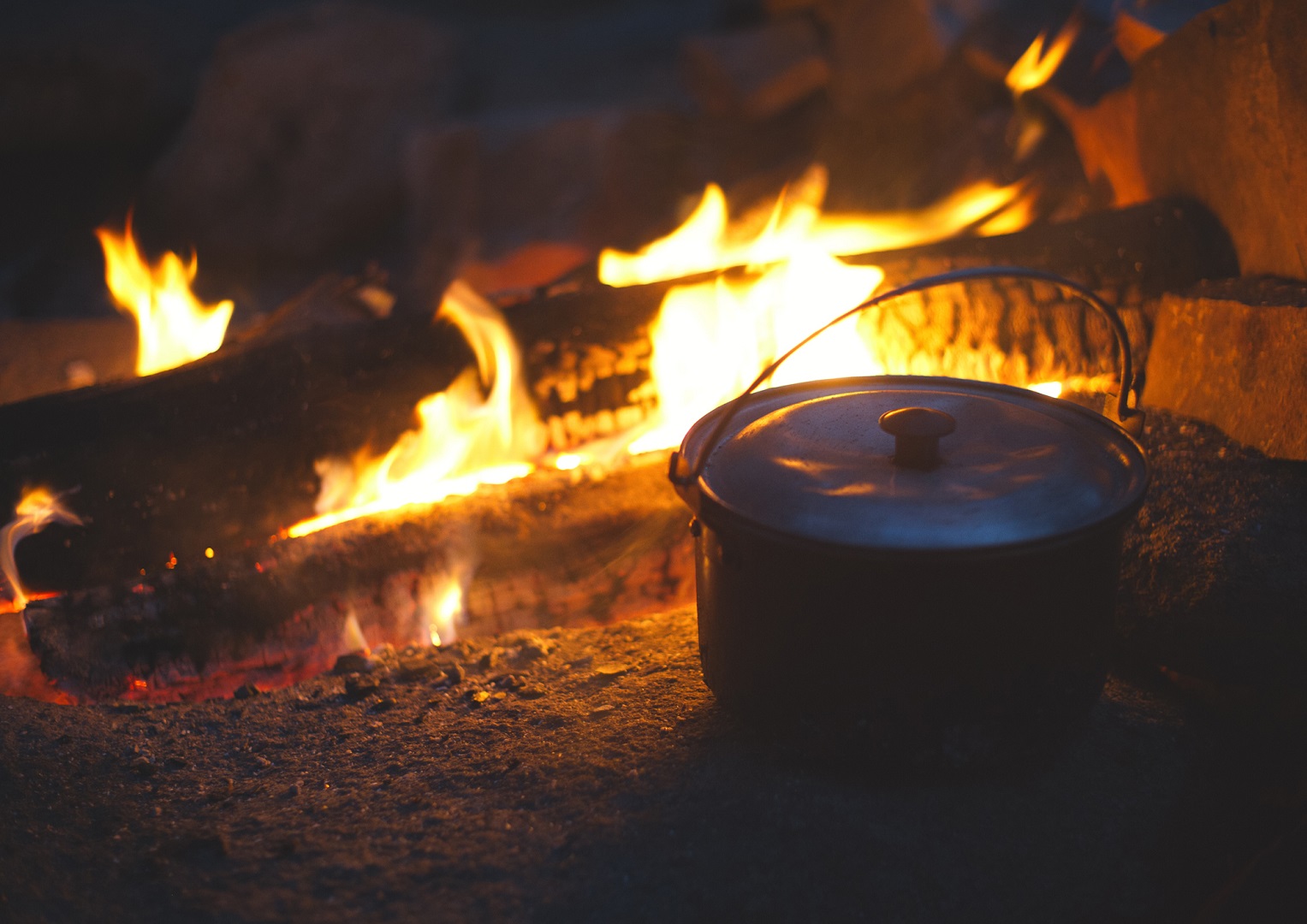
Beef shin carries its own magic. Cut from the leg, each slice is defined by the exposed marrow bone at its centre. As it cooks slowly in a cast-iron pot over the coals, that marrow melts completely into the sauce. The result is dark, deeply savoury, and deeply satisfying, the kind of potjie that is talked about long after the coals have gone cold.
The animals behind these cuts have been raised by farmers who understand what slow cooking demands, what it asks of the animal from the very beginning. From the care they receive on the farm, through every stage of Beefmaster’s rigorous processing standards, to the moment the pack arrives at your door: quality is not a feature we mention lightly. It is the foundation of everything we do.
- Get cooking: Prepare for your next gathering with the iBeef 1kg Potjie Pack and locally sourced iBeef Oxtail.
5 Tips for the Perfect Winter Stew or Potjie
- Brown the meat first. Never skip the sear. Browning your beef in hot oil before adding any liquid creates the Maillard reaction, locking in flavour and building the savoury crust that defines the dish. It cannot be recreated any other way.
- Deglaze the pot. After searing the meat, add a splash of red wine or good stock to lift the fond, those dark, caramelised bits clinging to the base of the pot. That is concentrated flavour. Do not leave it behind.
- Season early, taste late. Salt the meat when you sear it. Do not season aggressively again until the final 30 minutes, once the liquid has reduced and concentrated.
- Respect the simmer. A slow-cooked beef stew or potjie should be barely moving. If the liquid is boiling vigorously, you are driving moisture out of the meat before the collagen has had time to break down. Reduce the heat and trust the process.
- Rest before serving. A few minutes off the heat allows the juices to redistribute through the meat. It is a small step that makes a noticeable difference in every bite.
The iBeef Difference: Quality That Begins Before the Kitchen
Great winter meals require great ingredients. But what makes an ingredient truly great is not a label, it is the journey behind it.
At Beefmaster and iBeef, that journey begins on the farm. The farmers who raise these animals do so with the kind of care and commitment that a year-long relationship demands. From the moment the animal leaves the farmer’s care, through every stage of Beefmaster’s processing standards, to the moment the pack arrives at your door: traceability, consistency, and quality are promises backed by generations of experience and a deep respect for what this process represents.
Choosing the right cut is the beginning. Choosing a cut you can trust is what takes a winter meal from good to worth remembering.
Stock up your freezer this winter. Shop iBeef’s premium farm-to-fork stewing and potjie cuts online today, with nationwide delivery across South Africa.
Frequently Asked Questions (FAQs)