
Heritage Day belongs to the braai. Whatever else the 24th of September means to you, the odds are good that it involves a fire, a gathering, and more meat than any single household needs for an ordinary Thursday. That is exactly as it should be. Braai Day was never meant to be one menu repeated in every backyard. It was meant to be a shared moment expressed in as many ways as there are South African households, and that variety is worth celebrating rather than flattening into a single “braai day recipe.”
This guide is here to help you plan a Heritage Day braai that actually reflects that variety, whether you are hosting ten people or forty. We will look at how different South African traditions approach the fire, work out how much meat you actually need, suggest sides that survive a bring-and-braai without wilting, and cover when to order so your table is sorted well before the long weekend arrives.
One Braai, Many Traditions
Ask five South African households what belongs on a Heritage Day fire and you will get five different, equally correct answers. Understanding a few of these traditions is a good starting point for building a menu that feels considered rather than generic.Shisa Nyama, Done Properly
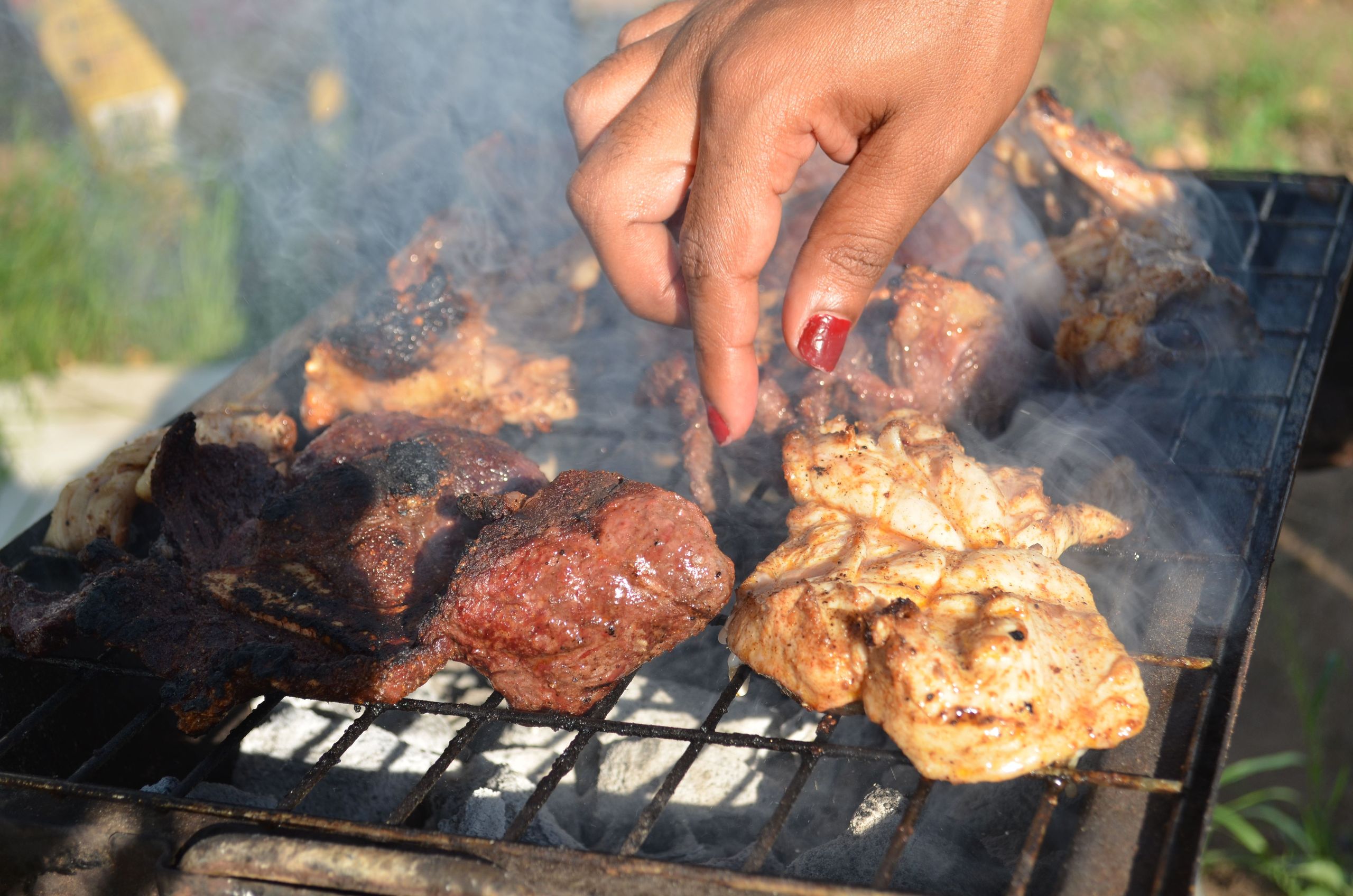
Shisa nyama, literally “burn the meat,” is less a recipe than a way of eating: meat grilled simply over open coals, often unmarinated so the flavour of the cut itself comes through, served straight off the fire with pap, chakalaka, and a shared plate rather than individual servings. Heritage Day itself grew out of this kind of shared, informal celebration, broadened over time to honour the customs of all South African communities. For a Heritage Day shisa nyama at home, choose cuts with plenty of natural fat – boerewors, beef short ribs, skin-on chicken portions – and resist the urge to over-season.The fire and the fat do the work.
Cape Malay-Spiced Lamb
In the Cape, Heritage Day tables often lean on Cape Malay spice traditions, with lamb taking centre stage. A leg or shoulder of lamb rubbed with a masala-style spice blend, slow-braaied or roasted over indirect heat, brings a different character to the table than the more direct-heat approach of shisa nyama, and pairs well with a yellow rice or a tomato-based sauce.
The Afrikaner Boerewors Braai
For many households, no braai is complete without a properly made boerewors coil, grilled whole and sliced at the table rather than into individual sausages. This is also where beef chuck earns its place, either as part of the boerewors mix itself or braaied separately and finished with a simple basting sauce.
You do not need to choose only one tradition. Many of the best Heritage Day tables borrow from several, offering a shisa nyama-style platter alongside a lamb roast and a boerewors coil, so guests can build their own plate. The point is intention: know what you are serving and why, rather than defaulting to whatever is easiest to buy in bulk.
The Heritage Day Meat Plan: How Much to Buy
The most common Heritage Day planning mistake is not choosing the wrong cuts; it is buying the wrong quantity. Here is a working guide for a mixed braai menu.
Guest type
Adult
Child (under 12)
Big eater / long day of eating
Beef
250g to 300g
100g to 150g
350g to 400g
Boerewors
100g to 150g
50g to 75g
150g
Chicken
200g
100g
250g
A few adjustments worth making:
- If lamb or a whole roast is part of the menu: treat it as an addition to the plan above rather than a substitute, since a roast is often carved and shared rather than portioned per guest in the same way.
- Long weekends mean long eating: if your Heritage Day gathering runs from midday into the evening, guests will eat more than a single mealtime portion. Build in a 15% to 20% buffer.
- Bring-and-braai events need clarity: if you are one of several households contributing meat, confirm quantities with the group beforehand rather than guessing and over-catering. A quick message in the group chat saves a freezer full of leftover boerewors.
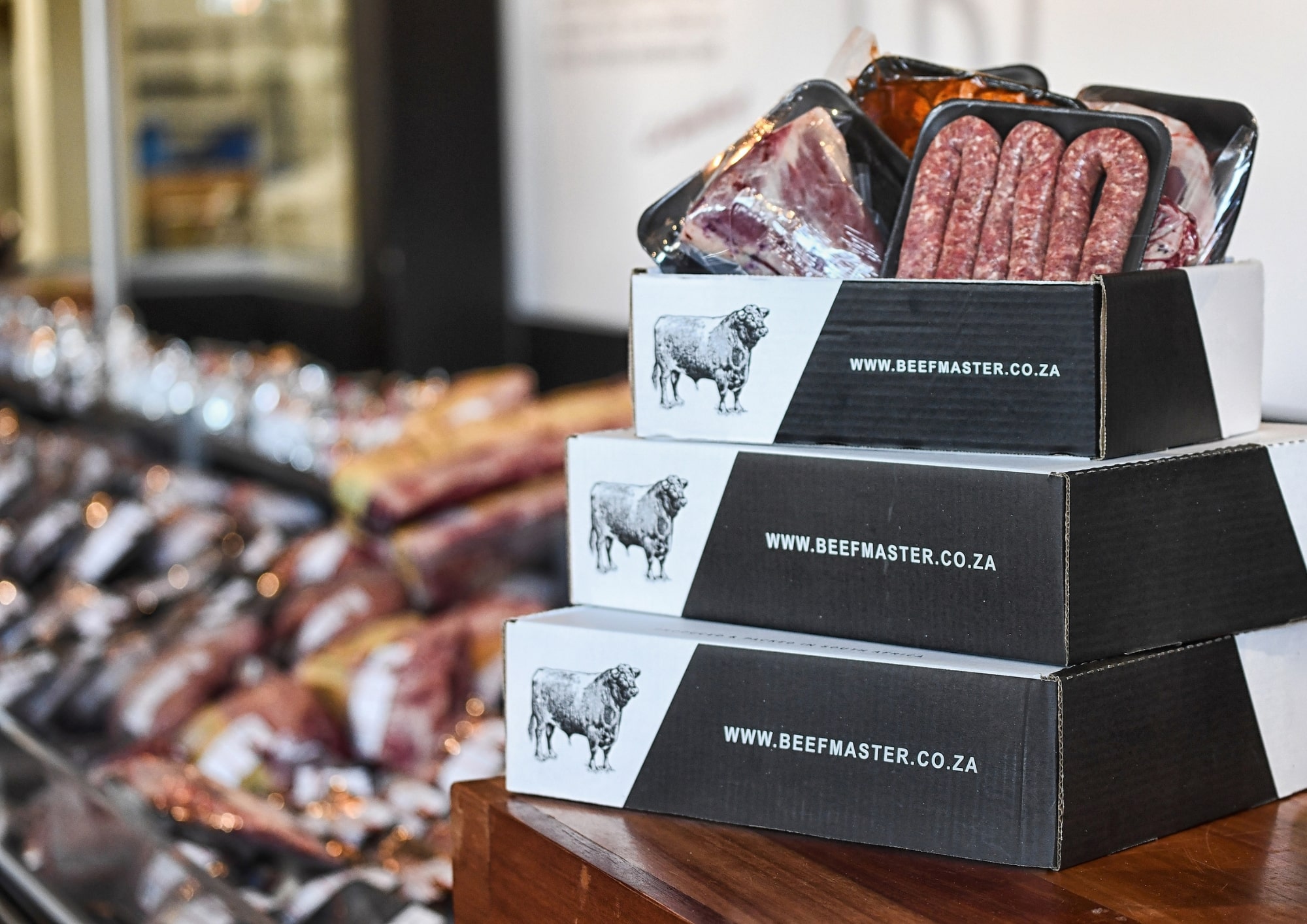
Get cooking: For larger Heritage Day gatherings, a bulk hamper is usually more cost-effective and less stressful than assembling separate cuts. Build your table around iBeef’s boerewors, beef short ribs and chicken, all sized for a proper Heritage Day spread.
Sides That Travel: Building a Bring-and-Braai Table
Heritage Day is one of the few occasions where “bring a dish” is genuinely part of the tradition, so it is worth thinking about which sides hold up outside a kitchen.
- Pap and chakalaka are the standard-bearers for a reason. Both travel well, reheat easily, and complement almost every meat tradition on this list.
- Potato or pasta salads should be dressed lightly and kept cool. Perishable sides left in the danger zone between 4°C and 60°C for more than two hours (or one hour above 32°C) are a real food safety risk, so a mayonnaise-heavy salad left in direct sun for a few hours is not worth chancing on a warm September afternoon.
- Grain and bean salads (a simple three-bean salad, or a chickpea salad with lemon and herbs) hold their texture far better than leafy greens over a few hours outdoors.
- Bread rolls or roosterkoek are easy to transport, easy to serve, and useful for mopping up sauce from a shisa nyama platter.
Aim for a table that offers at least one starch, one vegetable or salad, and one lighter option, so guests eating across several households’ contributions are not left with five variations of the same potato salad.
Order-Ahead Timeline: Getting Your Meat Sorted in Time
Heritage Day is a fixed public holiday, but demand for good meat does not wait until the last minute. As the holiday approaches, butchers and online meat suppliers see a sharp rise in orders in the days immediately beforehand, and popular cuts such as boerewors, lamb, and short ribs can sell out or run low on preferred sizes.
A practical rule of thumb: place your Heritage Day order at least five to seven working days before the 24th if you are ordering a hamper or a larger quantity, and a little earlier still if the holiday falls close to a weekend, since courier and delivery slots also fill up. This gives enough buffer for delivery, freezer space, and any last-minute adjustments to guest numbers.
Ordering ahead also means you are not choosing from whatever happens to be left on the shelf. You get the cuts you actually planned for, at the quantity you actually need.
The Journey Behind Every Cut
Whichever tradition shapes your Heritage Day table, the beef on the plate has followed the same journey. It begins with the farmers who raise and care for the animal, continues through Beefmaster’s rigorous processing standards, and ends the moment the pack arrives at your door. Quality, for us, is not a claim made lightly. It is the result of a process spanning more than a year, honoured at every stage.
Whether you are cooking shisa nyama-style, slow-braaiing a leg of lamb, or grilling a boerewors coil, start your Heritage Day table with beef you can trust. Shop iBeef’s Heritage Day selection online today, with nationwide delivery across South Africa.